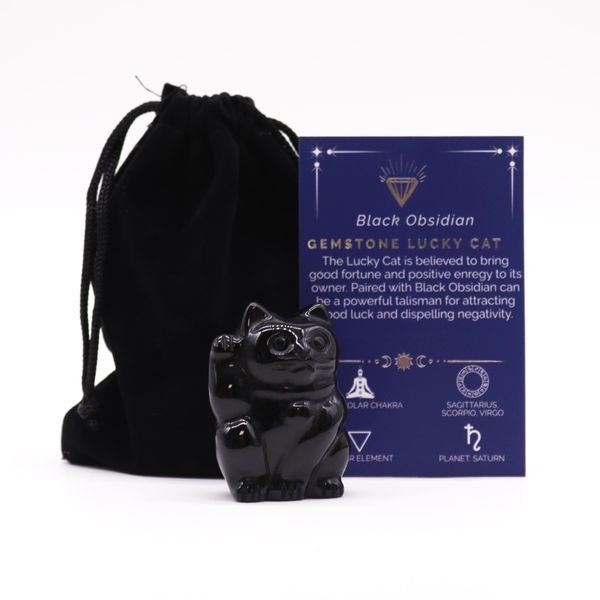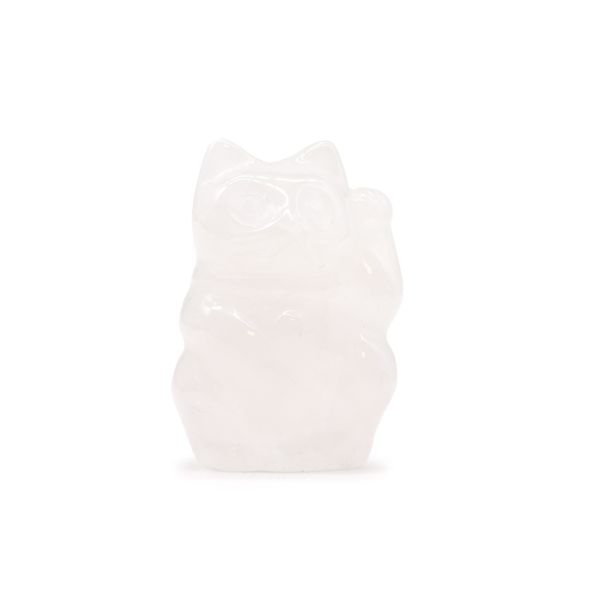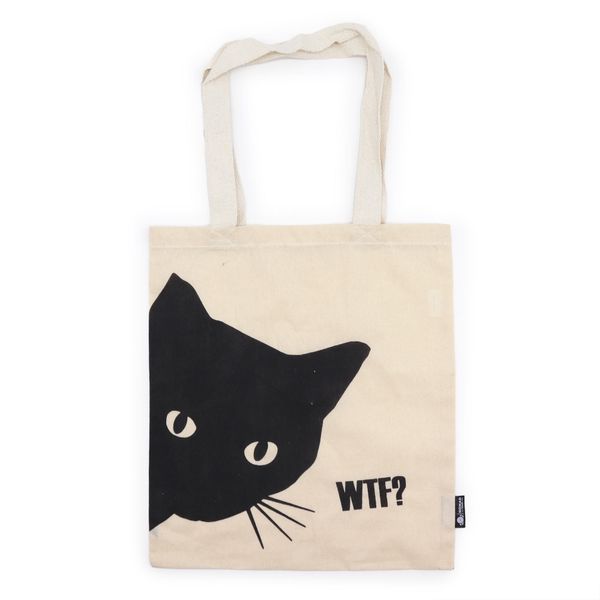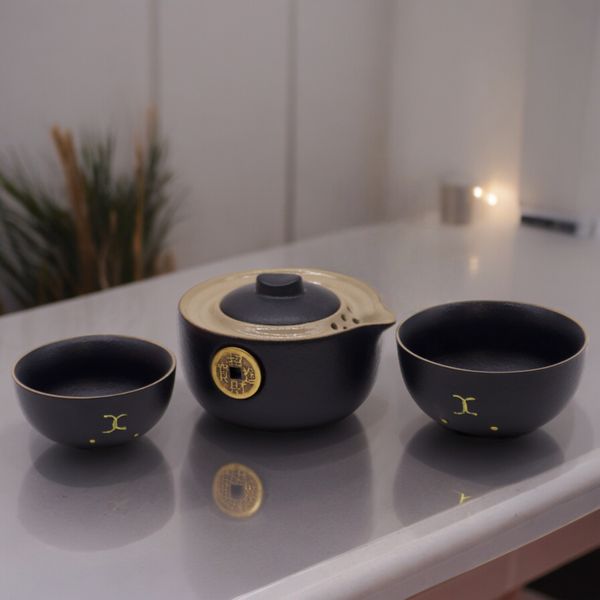
A gift-shop staple that earns its shelf space – Money Cats are instantly recognised, easy to gift and have the sort of broad appeal that keeps them selling year after year.
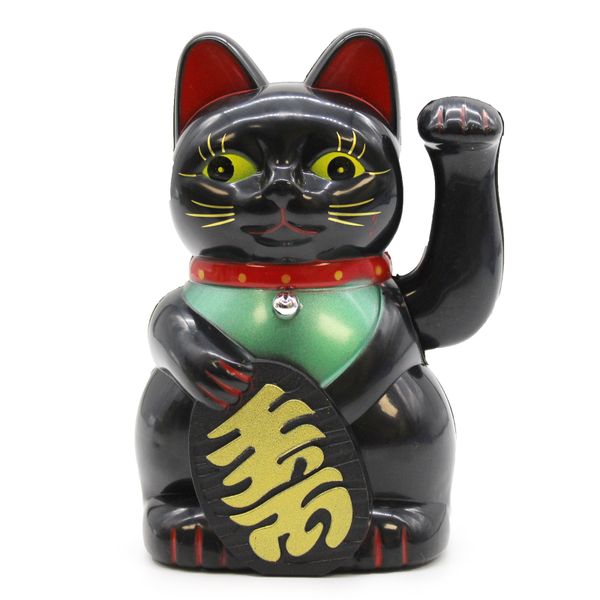
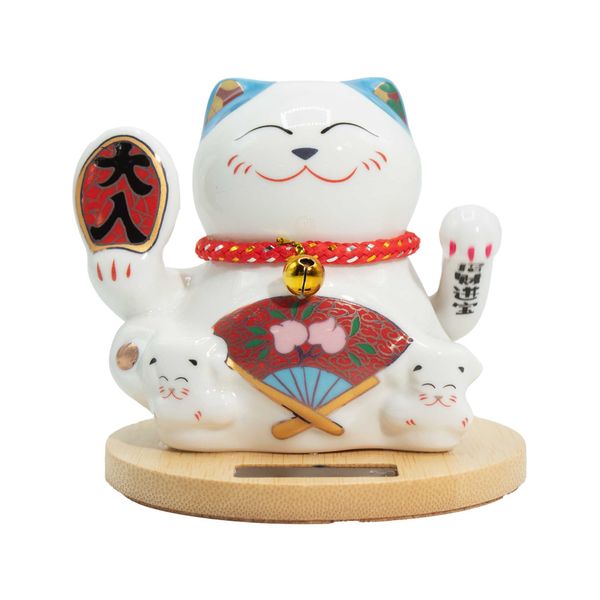
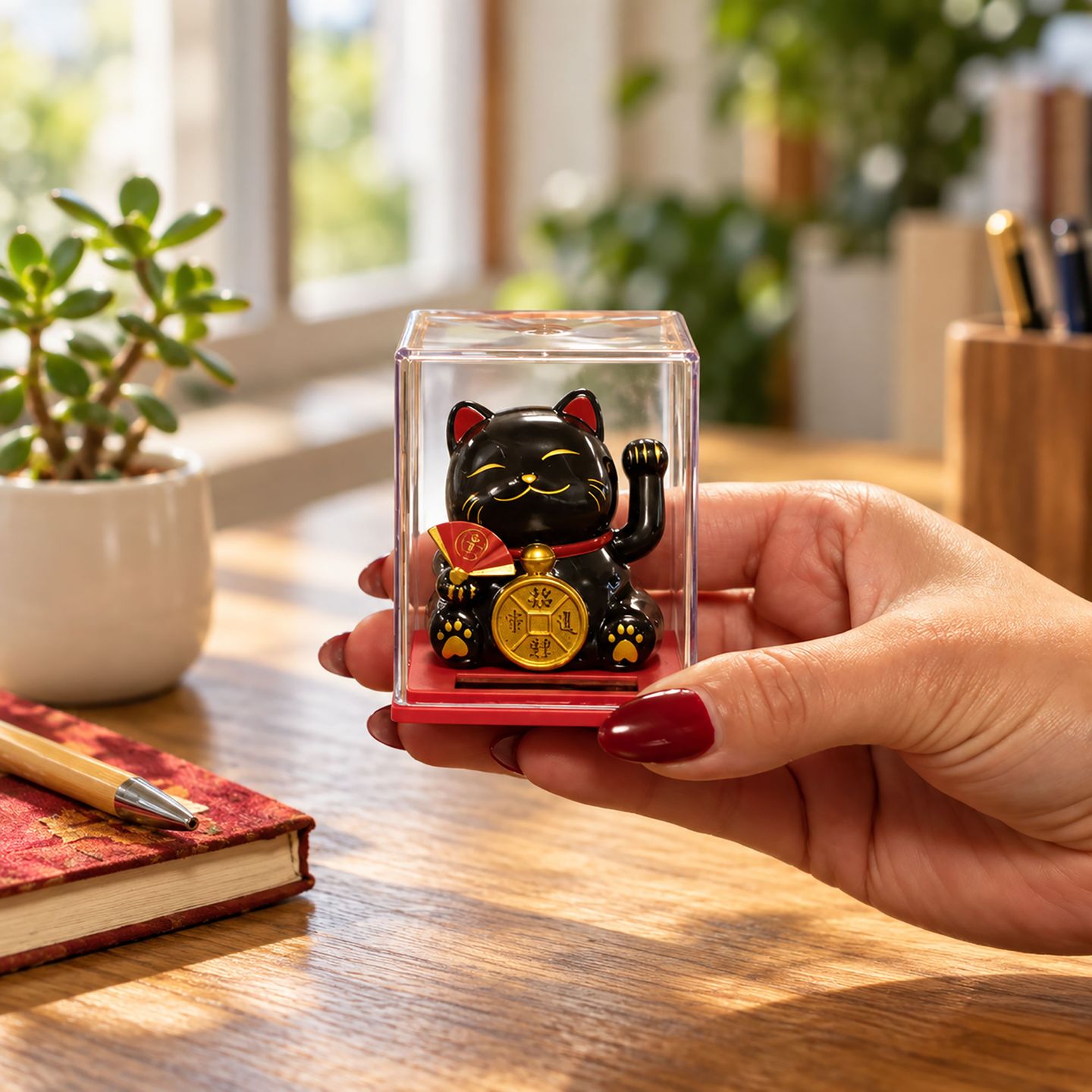
The display moves – literally – Solar and battery-powered paws catch the eye in a window, beside the till or on a counter. Given a bright spot, the solar cats even do a bit of the selling for you.
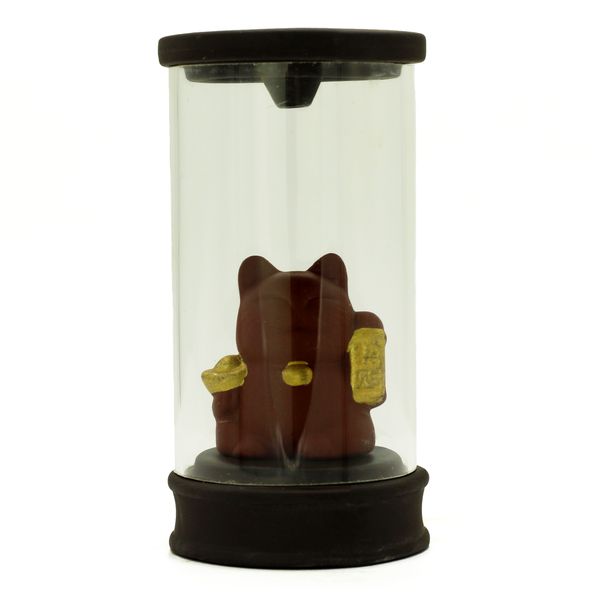
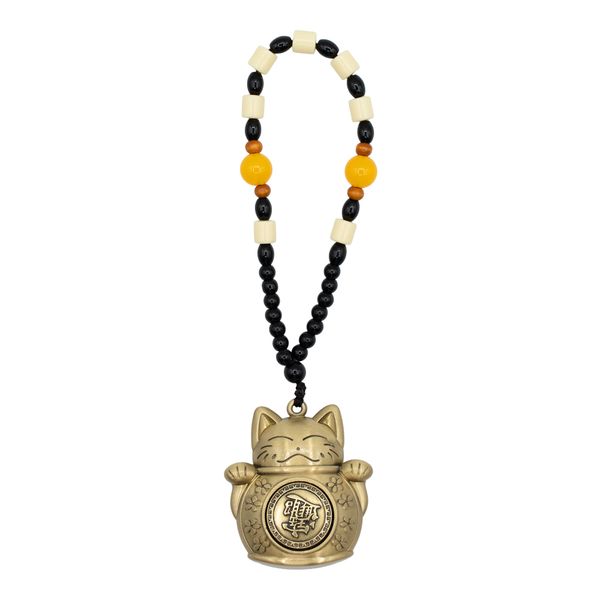
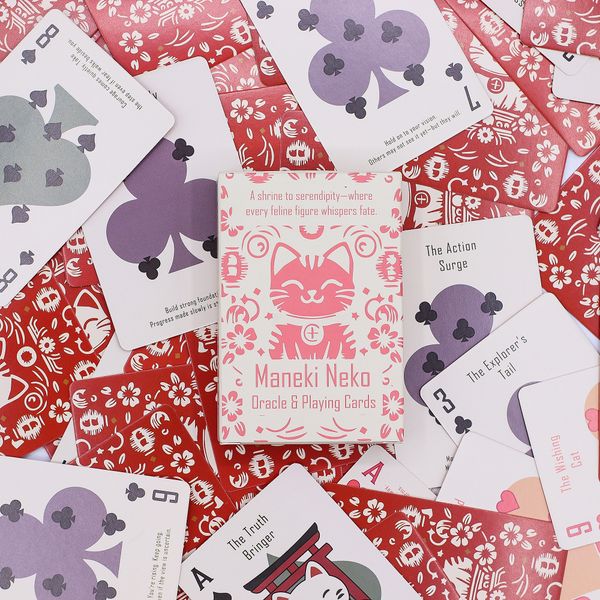
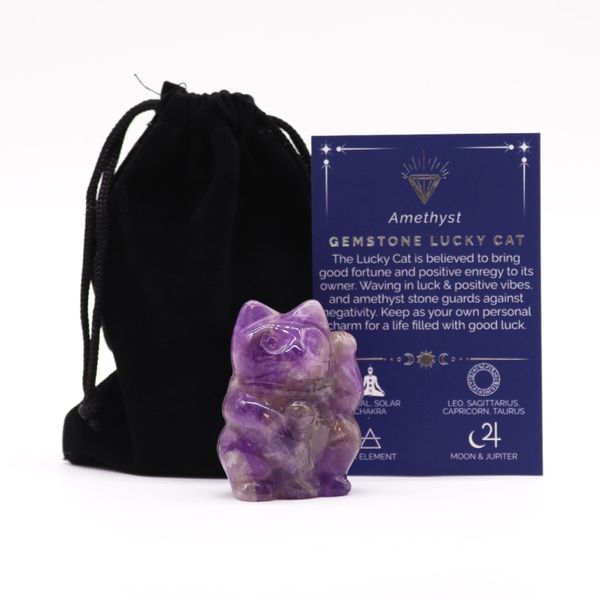
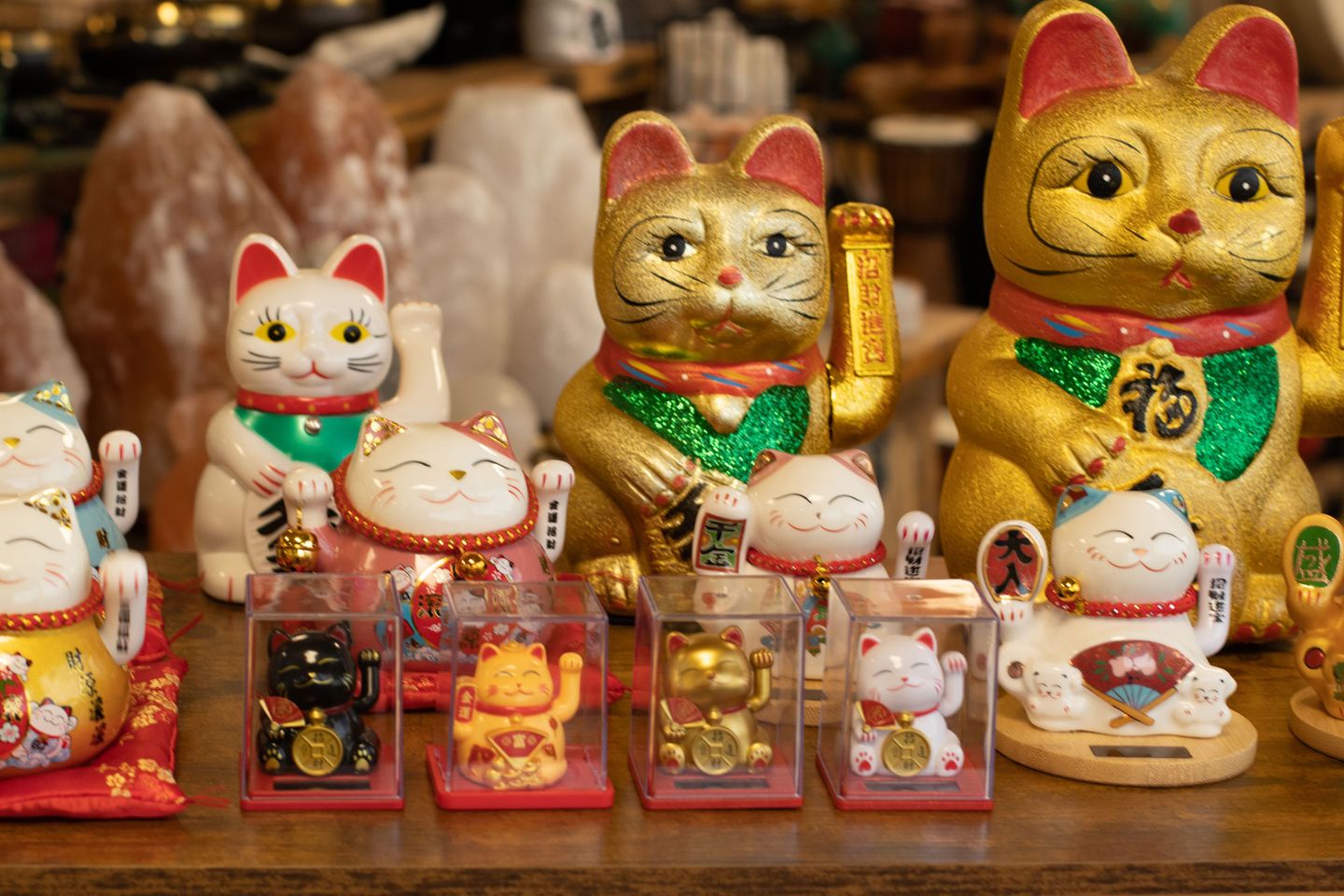
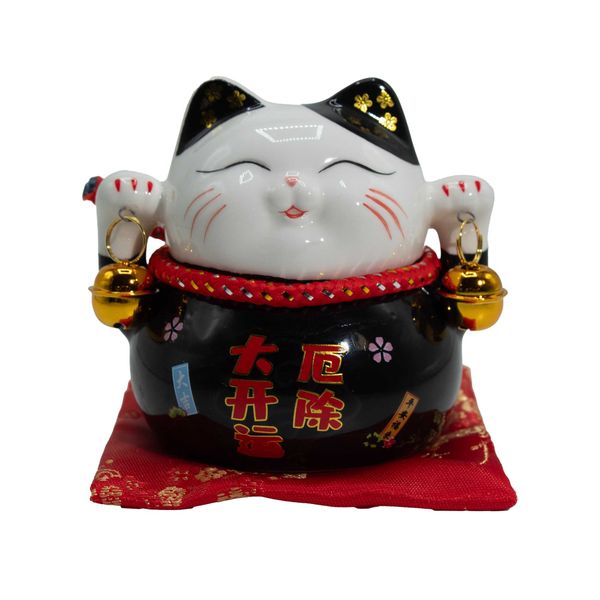
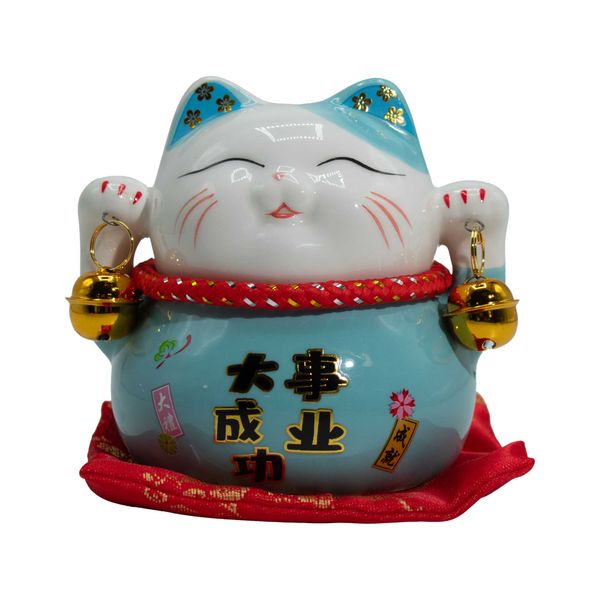
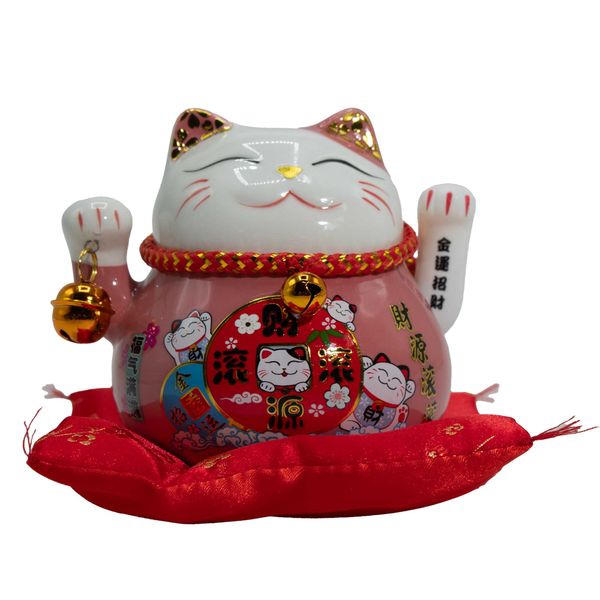
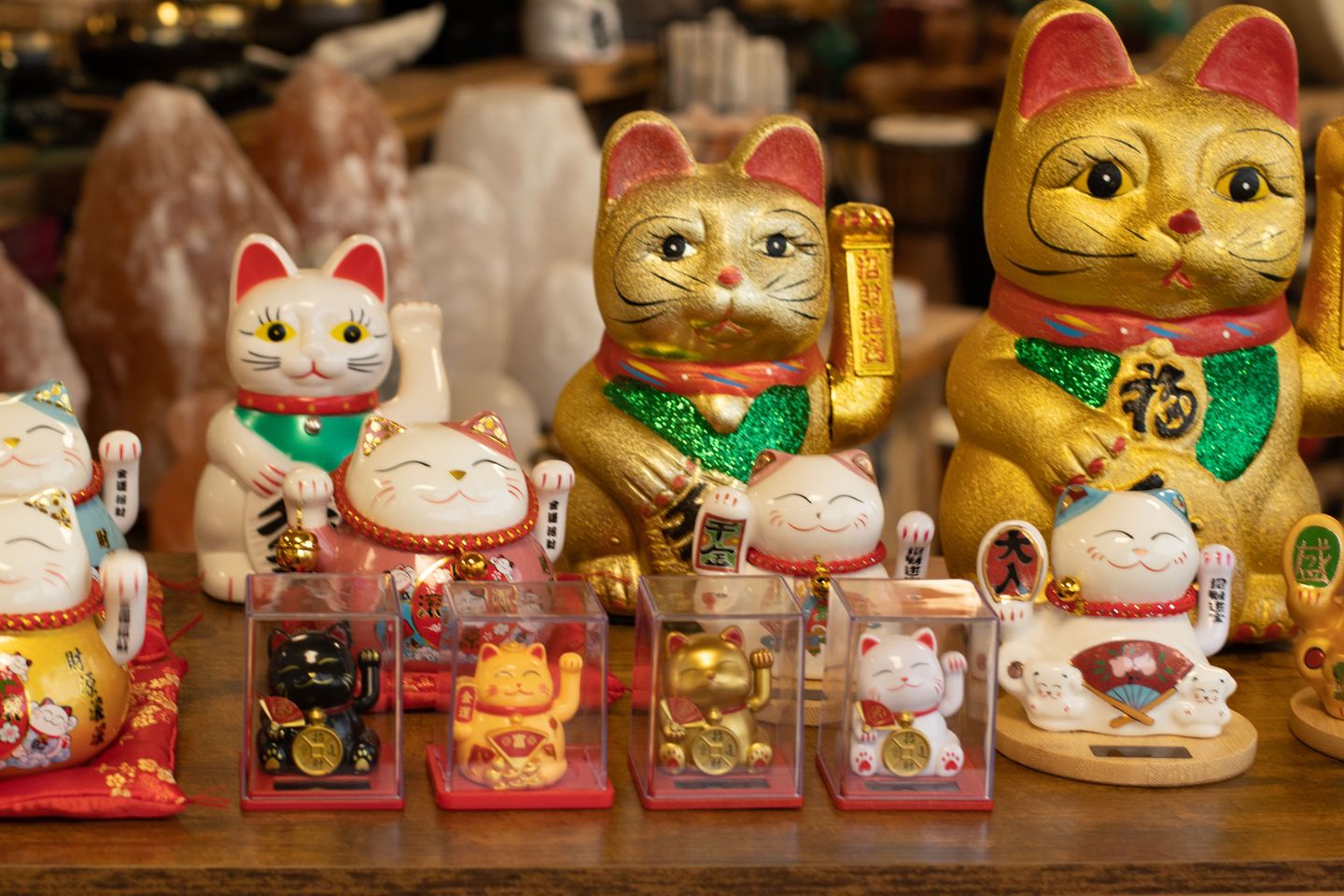
Build a proper Money Cat shelf – Mini boxed cats, classic figures, cushion styles, lively colours and larger statement pieces look far stronger together than one lonely cat waving at the stockroom door.
Even the prices are lucky. Eight is traditionally associated with prosperity and good fortune, so recommended retail prices across this range end in 8's
More than something to look at – Money-bank styles give customers a useful choice alongside the decorative and waving cats. Saving coins in a Money Cat does seem pleasingly on-message.
Good-luck gifts have no season – Natural choices for new shops, housewarmings, fresh starts, office desks and cat lovers, with sizes suited to little add-on gifts and more substantial presents.
A wholesale classic with a well-travelled story – Imported from China and based on the Japanese Maneki-neko, these cheerful cats are now recognised in shops, restaurants and homes across East Asia and far beyond.


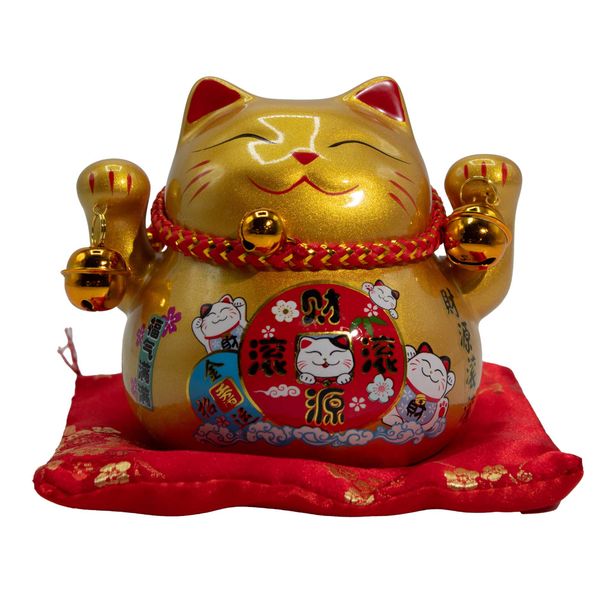

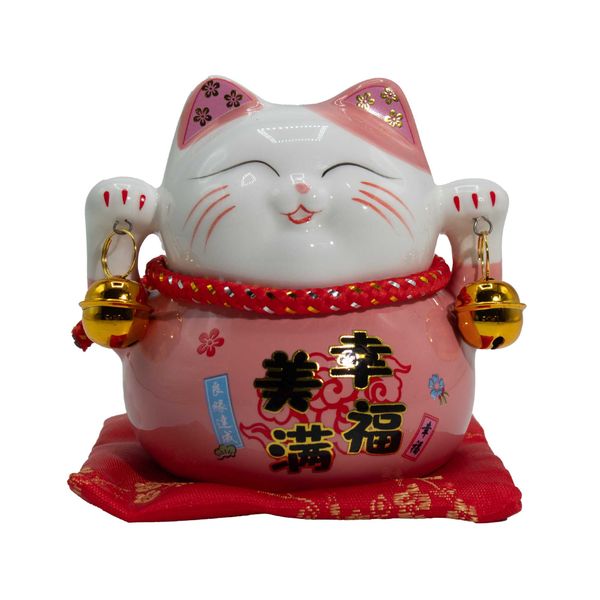

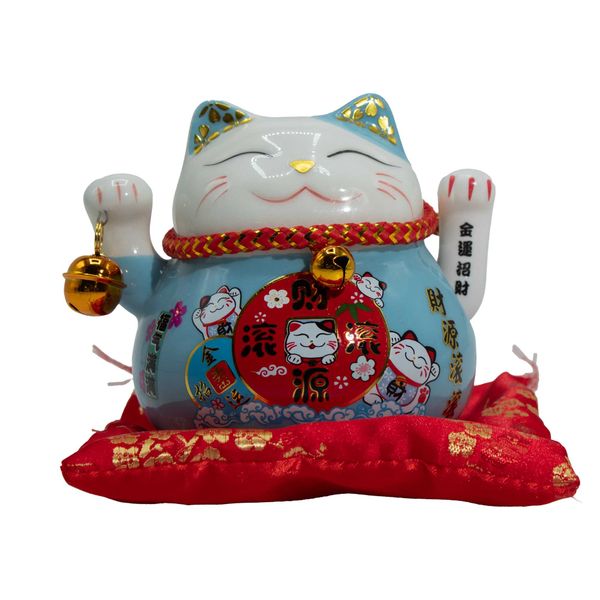

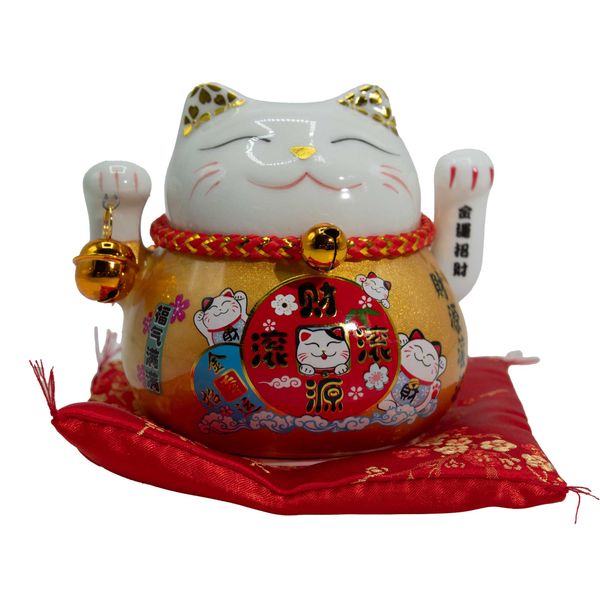











The Cat That Beckons Business
Money Cats have spent well over a century sitting in shop windows and beside tills, so giving them a shelf of their own is not exactly a reckless retail experiment.
Although frequently called Chinese Lucky Cats, the figure began in Japan. Maneki-neko simply means “beckoning cat”. What looks like a friendly wave is based on the Japanese gesture used to call someone closer. The cat is not saying goodbye; quite the opposite.
A fortunate meeting at Gōtoku-ji
The precise origin has become mixed with folklore, but one of the best-known stories belongs to Gōtoku-ji Temple in Tokyo.
According to the temple, the feudal lord Ii Naotaka was returning from falconry when a cat at the temple gate appeared to beckon him inside. Thunder sounded and heavy rain followed. Impressed by his fortunate escape from the weather—and presumably by the cat’s excellent customer service—Naotaka supported the struggling temple, helping it to prosper.
Gōtoku-ji adds a rather sensible lesson to the story: the cat does not simply deliver happiness or riches. It brings opportunities and connections, leaving the owner to make something of them. Retailers may recognise the principle.
Historical examples can be traced to Japan’s late Edo period, and an 1852 print by Utagawa Hiroshige shows cat figures being sold in Edo, now Tokyo. By the end of the Meiji period, pottery centres across Japan were producing their own versions.
The figure later became popular through Hong Kong, Taiwan and other Chinese-speaking communities. Its familiar place in Chinese restaurants and businesses explains why so many people know it as the Chinese Lucky Cat. The AW range is made in China and includes designs carrying Chinese as well as Japanese-inspired good-fortune symbols—a nice example of an idea travelling, changing and finding a new home.
Reading the paws
Traditions differ from one region and maker to another, but one widely repeated interpretation says:
A raised left paw beckons customers, friendships and useful connections.
A raised right paw invites good fortune, happiness and wellbeing into the home.
Cats with both paws raised are often associated with protection or a generous helping of both kinds of luck.
The meanings are folklore rather than a strict rulebook. Cats, as usual, have declined to provide a definitive statement.
Coins, characters and other clues
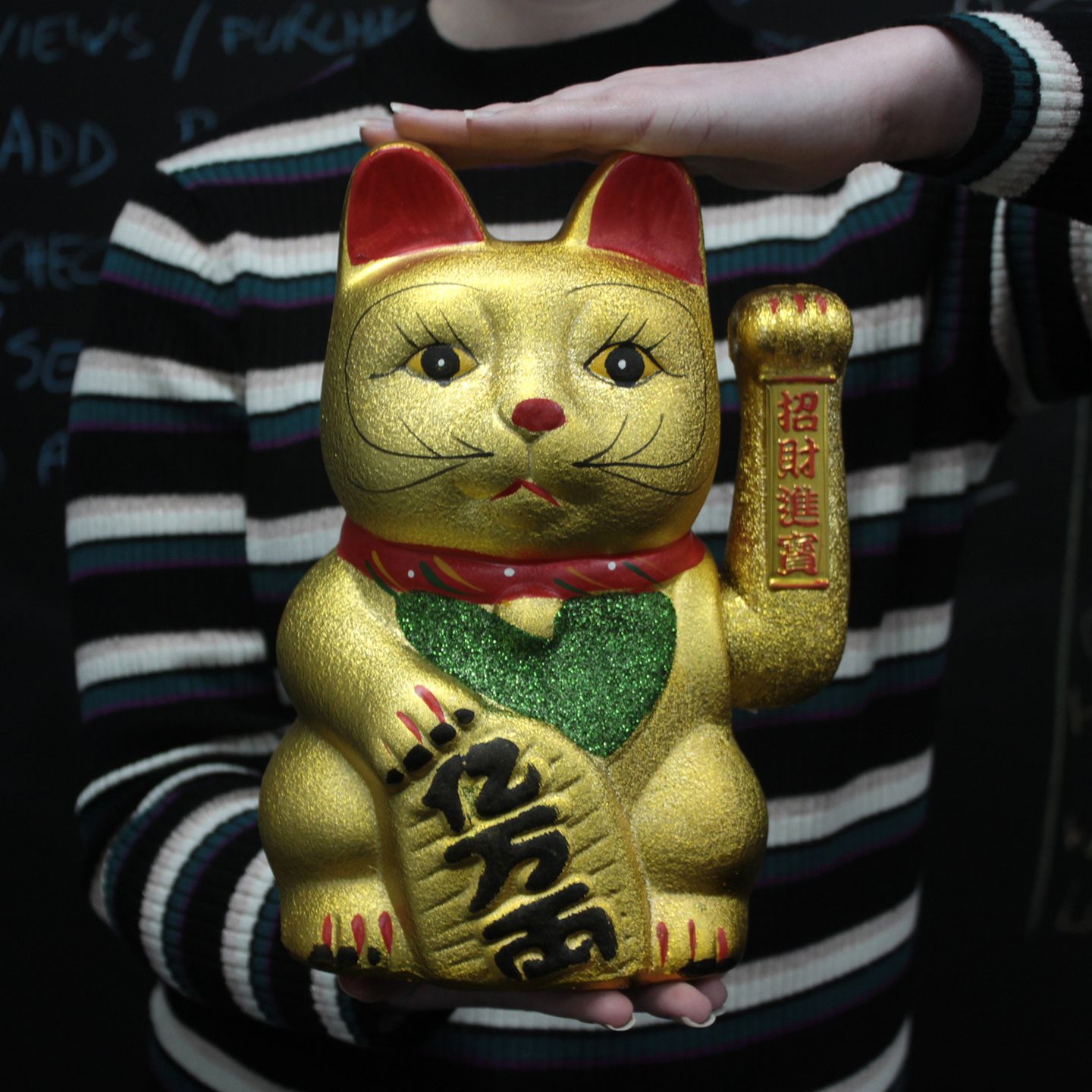
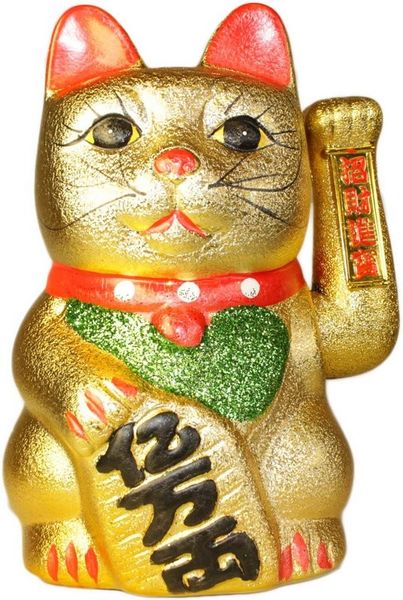
The oval gold piece held by many traditional cats represents a koban, a Japanese coin used during the Edo period. It is often marked 千万両, meaning ten million ryō. Clearly, this is not a cat troubled by modest targets.
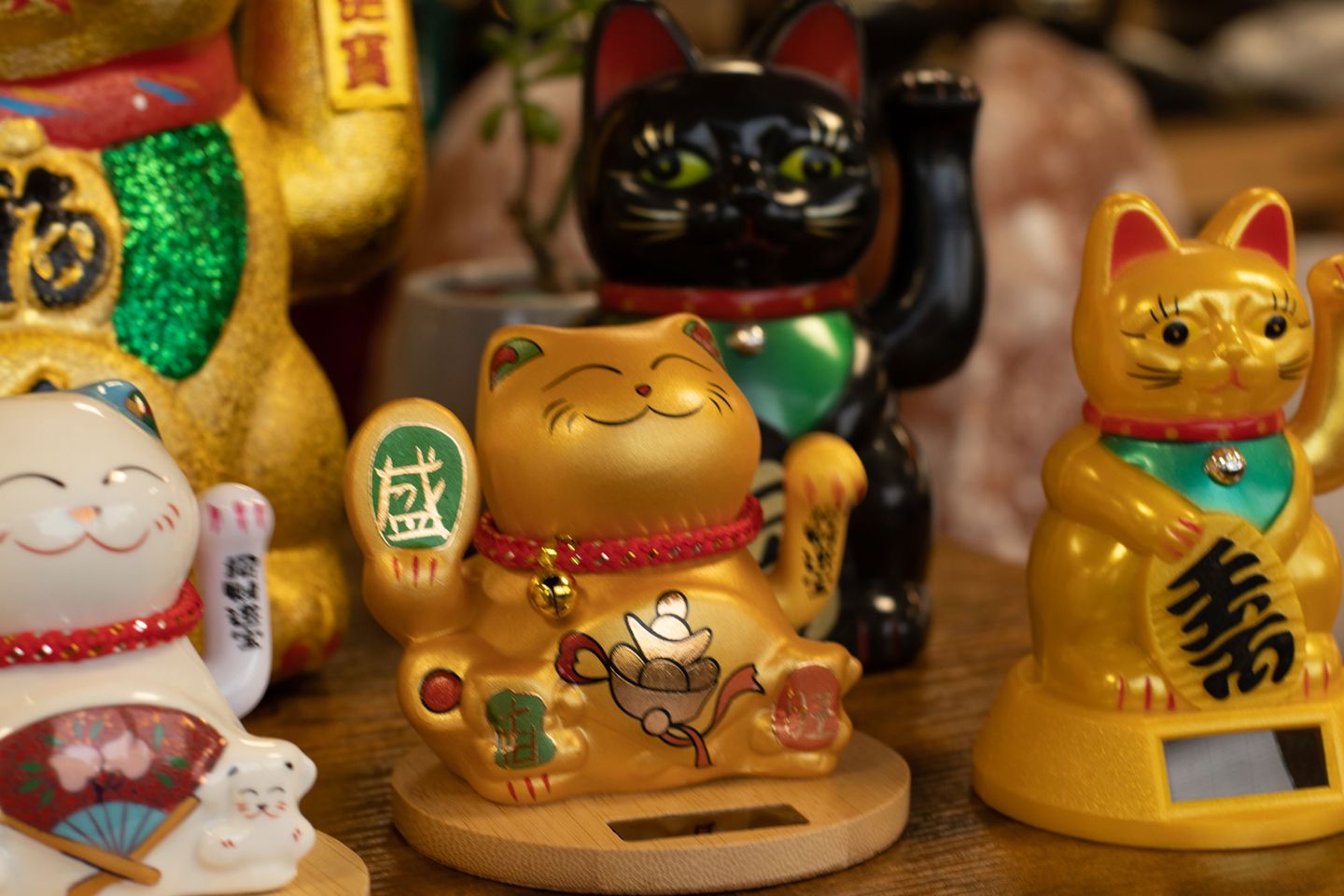
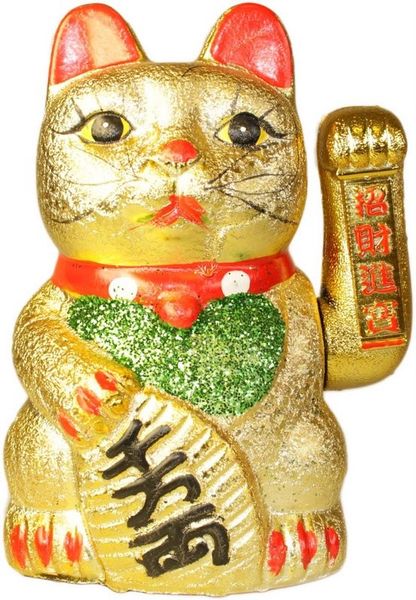
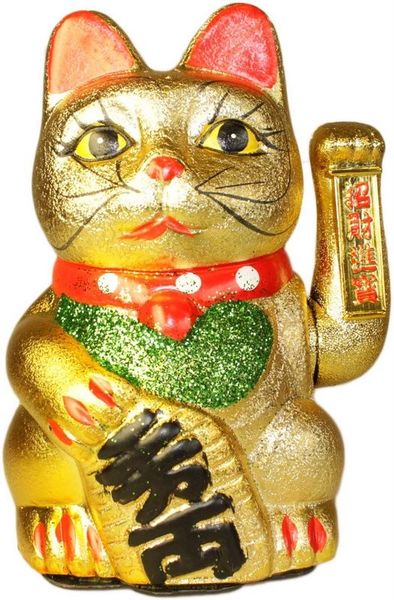
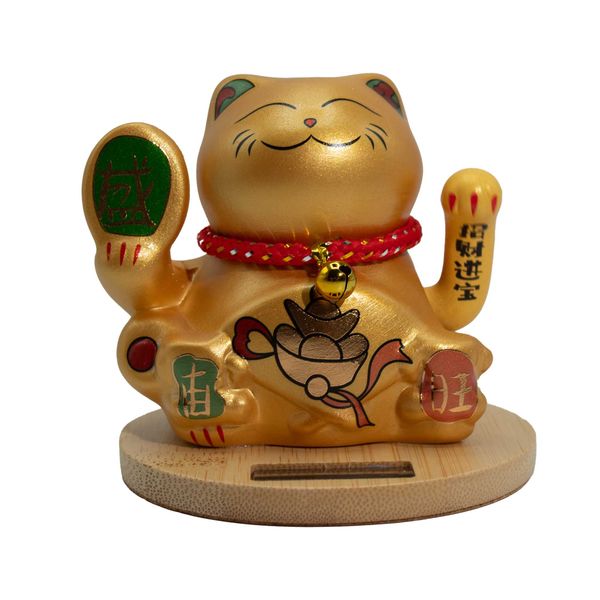
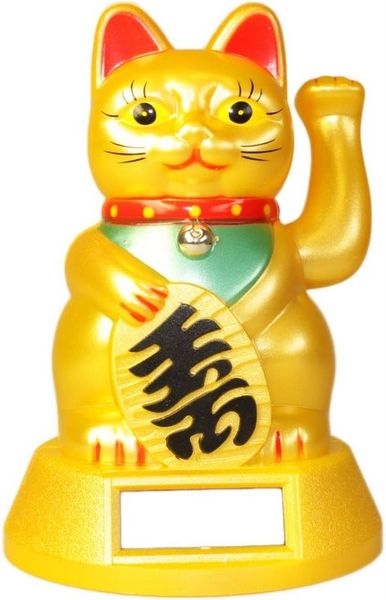
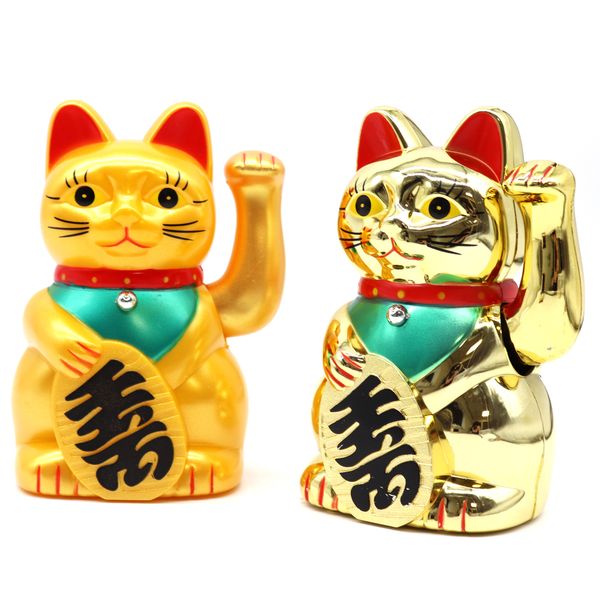
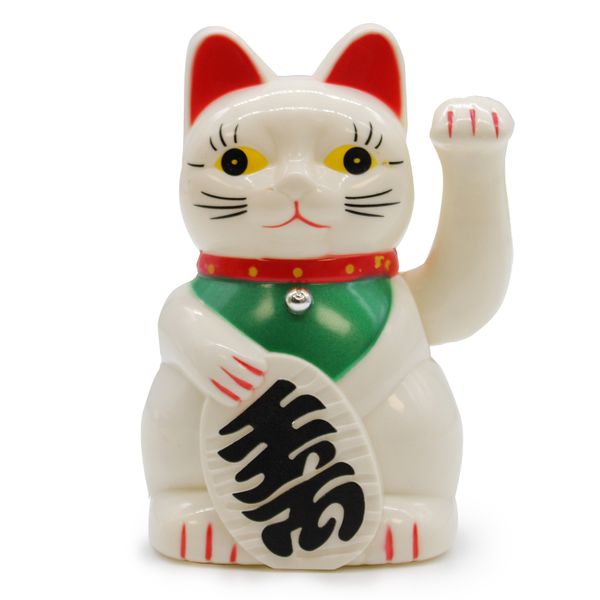
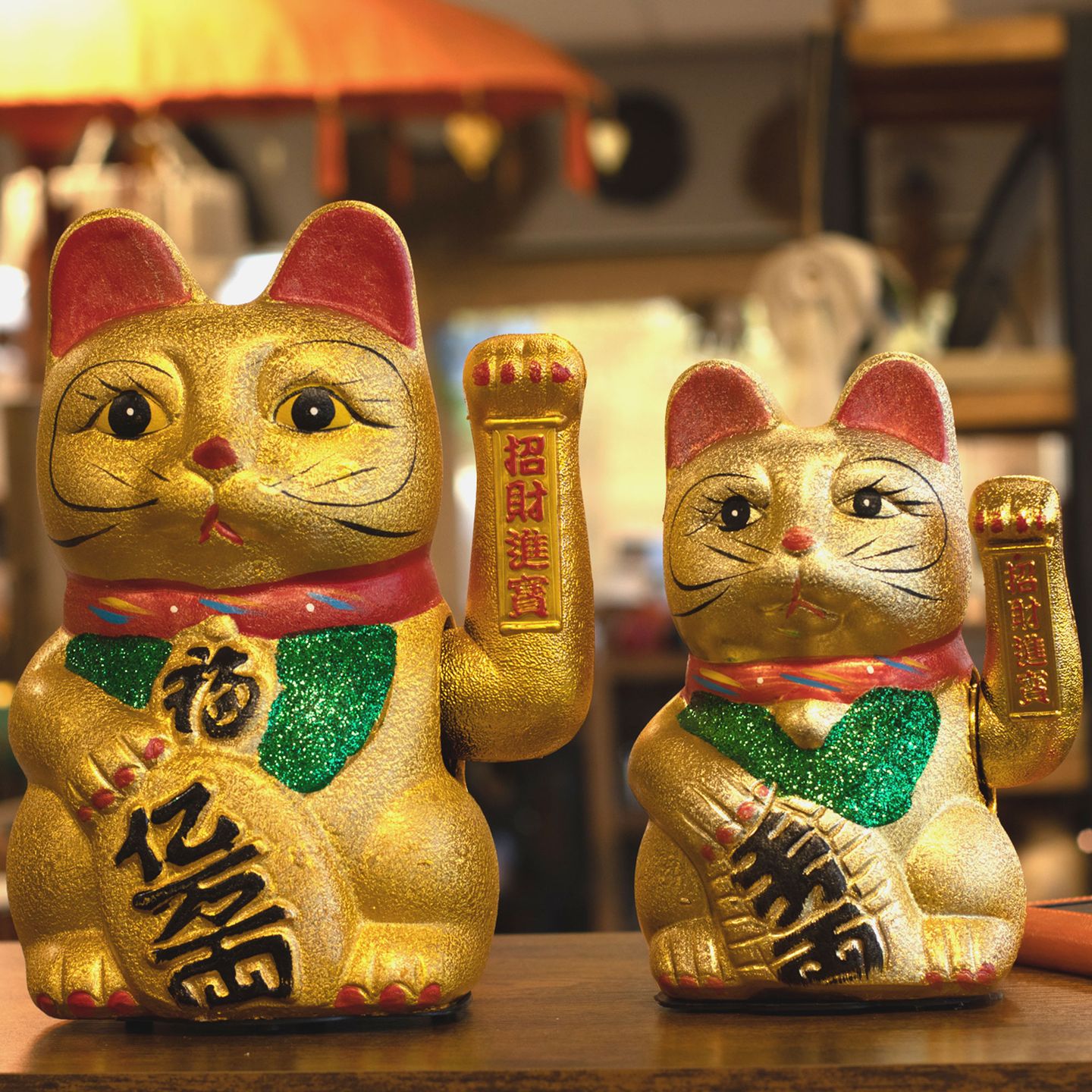
Look closely at the AW designs and more messages appear. 招財進寶, seen on the raised paw of the Classic Money Cat, is a traditional Chinese expression meaning “invite wealth and bring in treasure”. The large character 寿, carried on the fan of some designs, represents longevity or long life.
Bells, red collars, decorative bibs, coins, fans and gold detailing all belong to the changing visual language of the Money Cat. Earlier Japanese figures often wore bells around their necks; later makers added larger coins and more elaborate decoration as the cat became increasingly associated with business prosperity.
Does the colour matter?
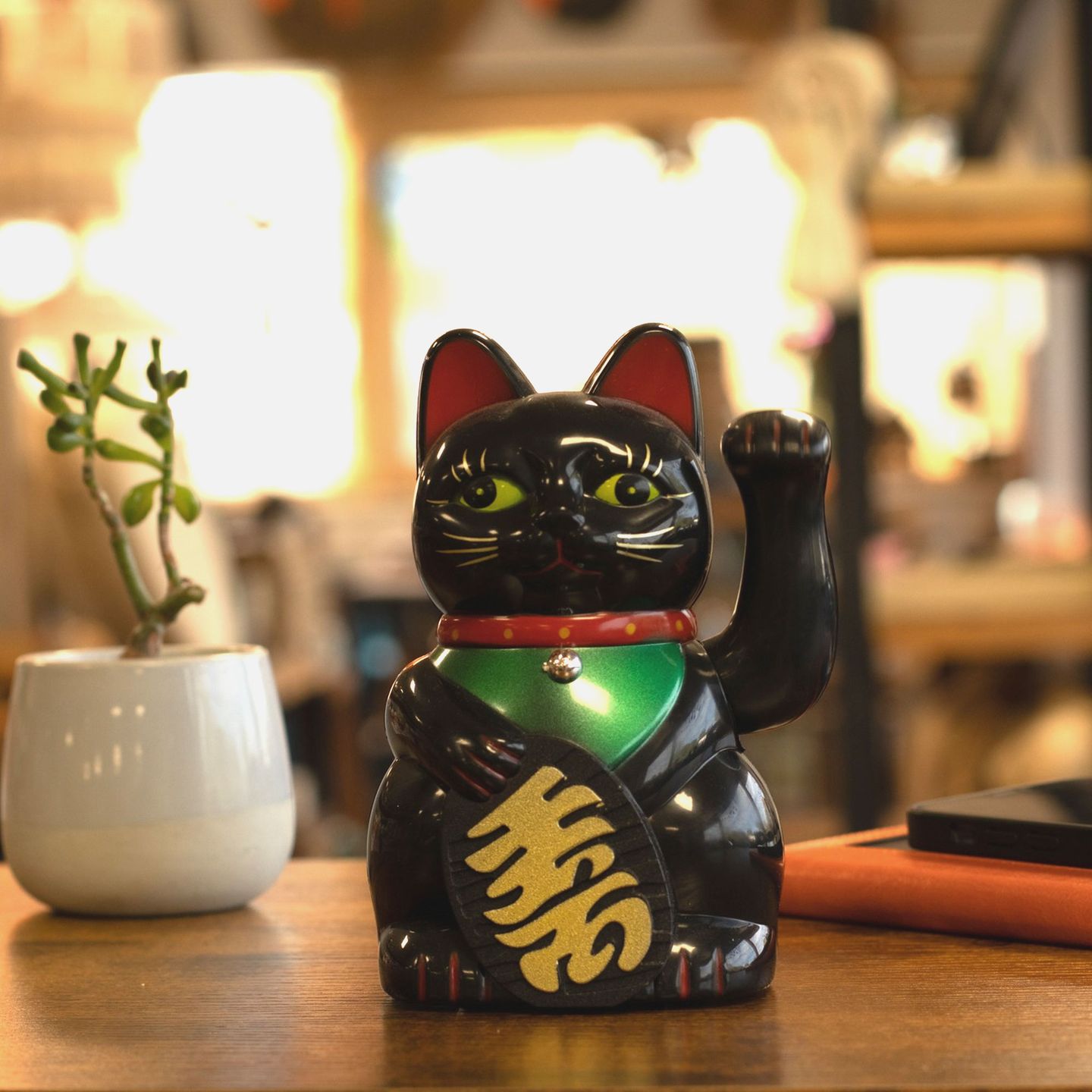
Traditional colour meanings vary, but white is commonly connected with happiness and general good fortune, black with safety and keeping trouble away, and gold—unsurprisingly—with money and prosperity.
Blue, pink, yellow and other modern colours have acquired assorted meanings over time, although there is no single agreed code. Many customers will simply choose the cat they like best, which is probably as sound a method as any.
From old pottery figure to moving shop display
Traditional fixed-paw figures now sit alongside solar-powered wavers, battery-operated cats and practical money banks. Solar cats suit a bright window or well-lit counter, while battery-powered versions can keep beckoning wherever they are placed. The money banks take the prosperity theme rather literally.
Group the colours and sizes together and the range makes a cheerful, active display that customers tend to stop and inspect. If the old stories are right, the cats will bring them over. If not, all that colour and waving is still doing a respectable job of attracting attention—which is nearly the same thing.
Beckoning Prosperity: The Enchanting Power of the Maneki Neko in Retail
In the realm of retail, finding products that not only captivate customers' attention but also hold cultural significance can be a game-changer. One such symbol that blends charm and tradition is the Maneki Neko, the Chinese Lucky Waving Cat. This iconic figurine, known for its beckoning paw and joyful appearance, has a rich history rooted in ancient Chinese and Japanese cultures. The following are the allure of the Maneki Neko and why it's an indispensable addition to any retailer's product lineup.
1. The Symbolic Essence of Maneki Neko
The Maneki Neko, often referred to as the "beckoning cat," is a beloved talisman believed to bring good luck, fortune, and prosperity to its owner. A raised left paw is thought to attract customers and clients, while a raised right paw is said to invite wealth and success.
2. Cultural Significance and Appeal
As retailers seek to diversify their product offerings, incorporating items with cultural significance has become a powerful strategy. The Maneki Neko seamlessly combines aesthetic charm with cultural allure, making it a captivating addition to any store.
3. Variety for Every Retail Space
One of the most exciting aspects of featuring the Maneki Neko in your retail space is the diverse range of options available. From sizes and colors to different paw positions, retailers can curate a collection that suits their brand's aesthetic and ethos.
4. The Power of Display
Incorporating the Maneki Neko into store displays can be an effective visual merchandising strategy. Placing these lucky cats near entrances or checkout counters not only adds an eye-catching element but also creates a positive atmosphere.
If you're ready to enrich your retail space with the charm and luck of the Chinese Lucky Cat Maneki Neko, you can check out AWGifts. As a Chinese Lucky Waving Cat Wholesale supplier, we offer an exquisite range of Maneki Neko statues to meet your unique retail needs.
Buy Chinese Lucky Cats today, and watch as positivity and prosperity find their way to you.