FAIRLY TRADING WHOLESALE GIFTS SINCE 1995
Aromatherapy - Home Fragrance - Bathroom Heaven
Natural, high-quality incense is experiencing a remarkable resurgence in modern homes. For centuries, these fragrant smoke rituals were integral to ancient spiritual practice and healing. Today, incense is back, not as a simple air freshener, but as a vital tool for mental wellness and intentional living.
The modern consumer demands products that offer emotional utility. In a fast-paced, digital world, the need for sensory anchors and quiet moments of intention has made ethical, natural incense a must-stock, high-value category for anyone seeking personal balance and mindfulness.
Here is a guide to understanding the history of this ancient practice and how to successfully market your incense products in your retail space.
The use of aromatic smoke is one of humanity’s oldest practices, connecting modern buyers to millennia of tradition. Incense wasn't invented in one place; it was independently essential in cultures around the globe:
Ancient Egypt (c. 3000 BCE): Priests used resins like Frankincense and Myrrh to purify temples and tombs, believing the fragrant smoke carried offerings directly to the gods.
India (Vedic Period, c. 1500–500 BCE): Incense became fundamental to Hinduism and Buddhism for purification, meditation, and honouring deities, leading to the creation of the stick format (agarbatti) that remains popular today.
Greek and Roman Empires (c. 800 BCE – 400 CE): The practice of burning incense became central to state and religious ceremonies. This custom was later adopted into early Christian worship, where the rising smoke was regarded as a symbol for prayers ascending to heaven.
The Silk Road (c. 200 BCE – 1400 CE): Throughout the Middle Ages, ingredients like Frankincense, Sandalwood, and Agarwood were precious commodities, often valued more than gold, demonstrating their immense cultural significance across continents.
This rich history is why the simple act of lighting incense feels so purposeful today - it is a conscious connection to a deep, cross-cultural tradition of ritual and intention.
The revival of these ancient smoke rituals is directly linked to the boom in self-care and mental health awareness. Consumers are using specific natural fragrances from incense to manage stress and create desired emotional states.
Ancient Wisdom, Modern Use: Customers are educated on the traditional uses of scents: Frankincense for spiritual connection, Sage for cleansing, Cedarwood for grounding. They buy with a specific, therapeutic purpose in mind.
Retail Strategy: Provide clear, small story cards detailing the traditional use of each incense scent. If you sell an incense, explain its intended emotional outcome (e.g., "Palo Santo: Used for energy clearing and uplifting the mood.")
The shift toward intentional living has increased the importance of controlling the indoor environment. Incense smoke is essential for defining zones within a living space - turning a corner of a room into a dedicated area for yoga, reading, or meditation.
The Intentional Home: The scent creates an invisible boundary that separates the "work" space from the "sanctuary." This makes the incense and its corresponding burner a defining piece of home décor with emotional utility.
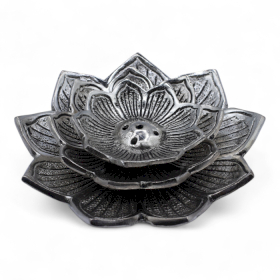
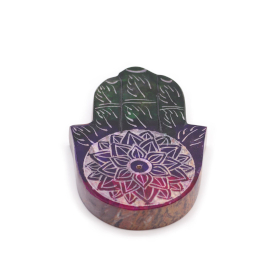
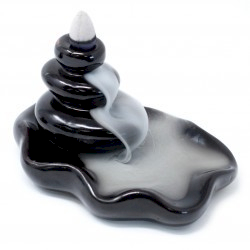
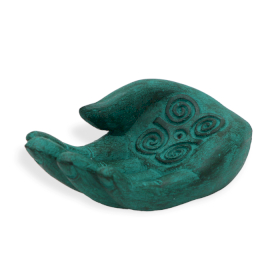
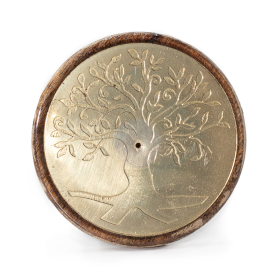
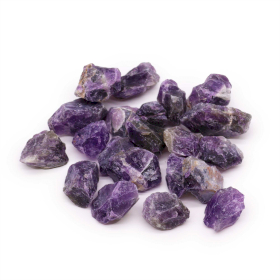
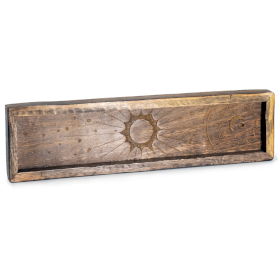
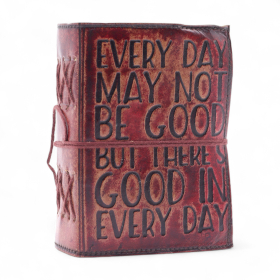
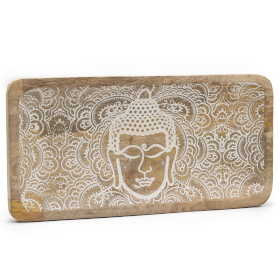
Cross-Merchandising Focus: Display incense and incense burners/holders with adjacent ritual products: simple wooden holders, affirmation journals, crystals, or symbolic trays/dishes. You are selling the complete sanctuary kit.
In line with the Conscious Consumer trend, the modern buyer prioritises pure, natural ingredients in their incense over synthetic fragrances. This is why high-quality, ethically sourced, and hand-rolled incense justifies a higher retail price point.
To maximise sales in this high-growth category, focus your stock on these essential product types and the natural scents that are currently driving consumer emotional needs:
Top-Selling Scents:
Best-Selling Product Types:
This cultural shift toward intentional living and self-care is here to stay. Embrace the idea that your incense products are essential components of your customers' personal wellness journeys. By focusing on the ritual and emotional outcome of the smoke, you transform these items from low-margin accessories into high-value tools for modern living.
Stock the scents that serve your customers’ desire for peace and grounding! Explore our full range of incense and incense holders HERE.

Why Choose Us?
Discover AW
Showroom
Showroom
The AW Family
Personalise
Personalise
Ancient Wisdom s.r.o.,
CTPark Trnava, Prílohy 583/57, 919 26 Zavar, Slovakia
REG: 50920600
VAT: SK2120525440
EORI: SK2120525440