FAIRLY TRADING WHOLESALE GIFTS SINCE 1995
Aromatherapy - Home Fragrance - Bathroom Heaven
The retail landscape has fundamentally shifted. For Millennials and Gen Z, a purchase is no longer just a transaction - it’s an affirmation of identity and values. We are seeing a major cultural movement we call New Spirituality, and it is profoundly reshaping how and why products sell.
If you stock symbolic items, healing crystals, affirmation journals, or ethical jewellery, you are already participating in this movement. The key is understanding its depth. This isn't just a trend; it's a departure from traditional religion toward a highly personalised, purpose-driven worldview.
Here is a guide to understanding the "New Spirituality" consumer and how to merchandise products that meet their need for meaning.
Younger generations view spirituality as an individual quest for meaning, not a fixed doctrine. They are creating custom belief systems drawn from yoga, astrology, mindfulness, ancient symbols, and even therapy.
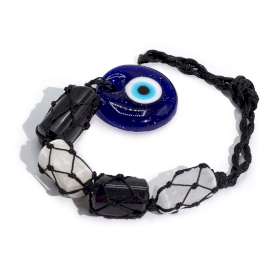
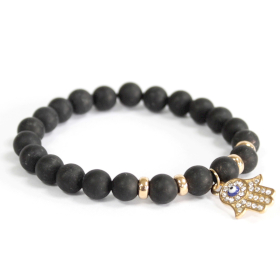
What this means for retail: Products must be open-ended. A consumer buys an Evil Eye not just for general protection, but because they have chosen that symbol to guard their energy and deflect surrounding negativity. The product is a tool for their self-curated ritual.
Merchandising Focus: Move away from definitive statements. Instead of "This item is for X religion," use language like, "Your Tool for Focus" or "Find Your Own Balance".
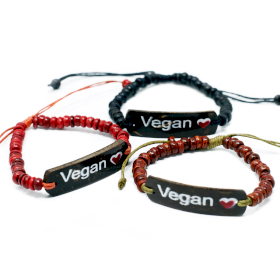
This generation demands that their purchases reflect their ethics. Transparency, sustainability, and authenticity are non-negotiable extensions of their moral framework.
What this means for retail: The story behind the product is as important as the product itself. Your customers need details: Where did the material come from? Who made it? What is the real history of the symbol?
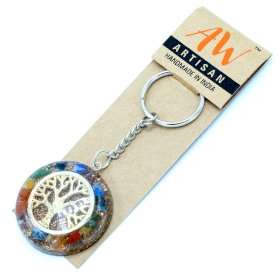
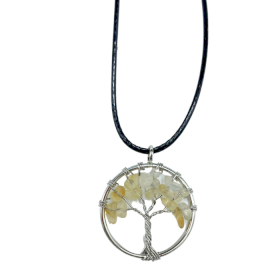
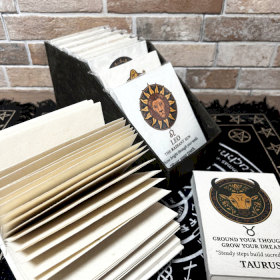
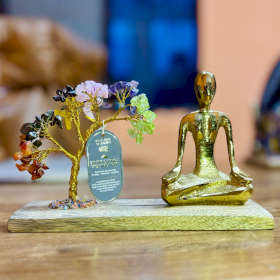
Merchandising Focus: Display story cards next to your symbolic items. If you stock the Tree of Life, provide a card explaining its cross-cultural symbolism (connection, ancestry, growth). Make the provenance clear.
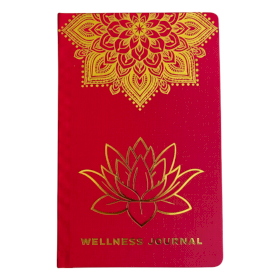
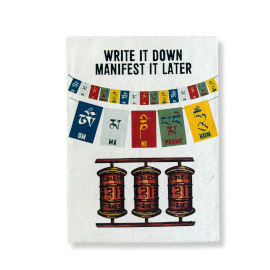
For young consumers, products are crucial parts of their self-expression. Wearing a symbolic necklace or displaying a themed journal communicates their values - their commitment to self-care, mindfulness, or social justice - to the outside world.
What this means for retail: The symbolic items you sell are not accessories; they are affirmations. A Tree of Life pendant isn't just jewellery; it’s an assertion of one's identity and personality traits.
Merchandising Focus: Use cross-merchandising to create "Identity Hubs." Pair Chakra items with wellness books, or put astrological items next to journals and affirmation cards. Sell the complete identity, not just the piece.
In the New Spirituality landscape, the function of a product is its emotional utility. If a product helps manage stress, focus intent, or provide comfort, its perceived value increases exponentially. This is why people are willing to pay a premium for items with meaning.
What this means for retail: Focus your marketing copy on the emotional result. Don't sell a Mandala print; sell the "daily invitation to mindfulness and calm".
Merchandising Focus: Update your product descriptions (both online and in-store) and focus on emotional outcomes: “This item is designed to help you set boundaries,” or “This symbol is perfect for enhancing your daily meditation”.
This cultural shift toward personalised, purpose-driven consumption is here to stay. Embrace the idea that your symbolic products are essential components of your customers' personal journeys. By focusing on the story and the intent behind the design, you future-proof your inventory and build lasting loyalty with Millennials and Gen Z. Take action today by reviewing our full range of meaningful products and stocking the powerful symbols that speak to their individual quest for meaning.

Why Choose Us?
Discover AW
Showroom
Showroom
The AW Family
Personalise
Personalise
Ancient Wisdom s.r.o.,
CTPark Trnava, Prílohy 583/57, 919 26 Zavar, Slovakia
REG: 50920600
VAT: SK2120525440
EORI: SK2120525440