FAIRLY TRADING WHOLESALE GIFTS SINCE 1995
Aromatherapy - Home Fragrance - Bathroom Heaven
We often track sales by calendar seasons, but are you tracking your customer's emotional season?
Buyers rarely purchase based on logic alone. Instead, they buy to fulfill an emotional need, and those needs shift dramatically throughout the year. The emotion that sells a product in January (self-improvement) is entirely different from the emotion that sells it in October (calculated indulgence and fun).
Understanding this "emotional calendar" allows you to stop selling generic products and start selling solutions to a feeling. This means better-themed displays, more relevant marketing, and higher average transaction values.
Forget the traditional calendar. Theme your stock and displays around these four predictable emotional drivers that dominate the consumer mindset throughout the year.
1. Winter: The Season of Renewal and Intention (Jan – Mar)
After the overindulgence and intense social pressure of the festive season, the customer shifts focus inward. They are in a state of reset.
Dominant Emotions: Hope, Intention, Self-Improvement, Calm, and Focus.
What Sells: Any product promising a "fresh start" or personal growth. This is the peak season for wellness, self-care, and organisational tools.
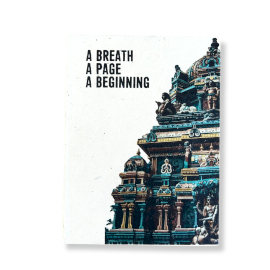
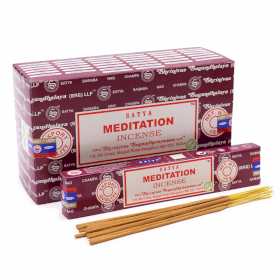
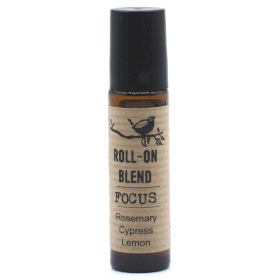
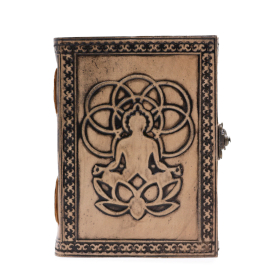
Retail Strategy: Display themes should centre on clean lines, clear purpose, and routine. Promote journals, meditation aids, simple organisational items, and anything labeled for "focus" or "calm."
2. Spring: The Season of Connection and Joy (Apr – Jun)
As the weather warms, energy levels increase, and the emotional focus turns outward. This is the season of new life, shared experiences, and key gift-giving moments (Mother's Day, weddings, graduations).
Dominant Emotions: Joy, Hope, Affection, Nostalgia, and Celebration.
What Sells: Products facilitating shared experiences or expressing affection. Travel preparation, outdoor accessories, and high-quality, sentimental gifts.
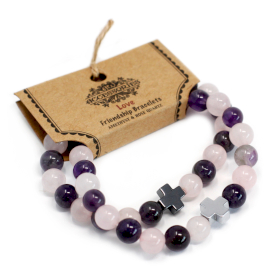
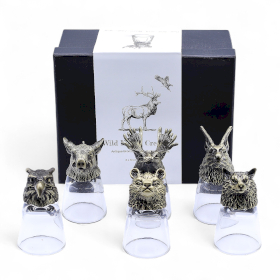
Retail Strategy: Display themes should highlight vibrant colours, social gatherings, and easy gifting. Feature items designed to be shared, like special serving ware, friendship tokens, or products that evoke lighthearted nostalgia.
3. Summer: The Season of Freedom and Escape (Jul – Aug)
The pace of life slows, priorities shift to personal time, and the consumer seeks an emotional break from routine. Spending becomes less about obligation and more about immediate gratification and memories.
Dominant Emotions: Freedom, Relaxation, Pleasure, Spontaneity, and Discovery.
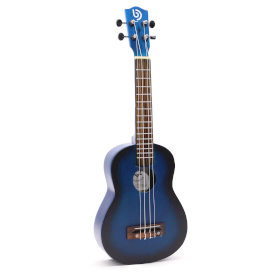
What Sells: Items supporting spontaneous fun, comfort, and hassle-free living. Novelty items, easy-to-use comfort goods, and anything that makes "getting away" easier, whether to the garden or the beach.
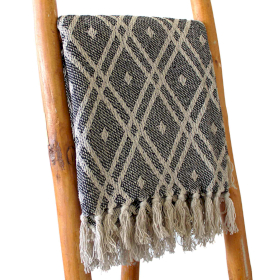
Retail Strategy: Display themes should be playful, bright, and low-effort. Promote novelty items, simple comfort products (mood lighting, lightweight throws), and goods that create a feeling of instant "retail therapy" or indulgence.
4. Autumn: The Season of Comfort and Indulgence (Sep – Dec)
The year contracts, and the emotional mood shifts to nesting, security, and calculated indulgence. Financial anxiety often pushes customers to shop early for security and budgeting.
Dominant Emotions: Cosiness, Security, Nostalgia, Ritual, and Indulgence.
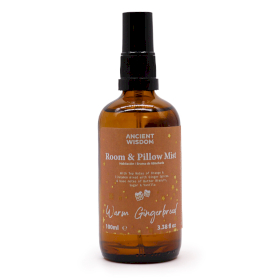
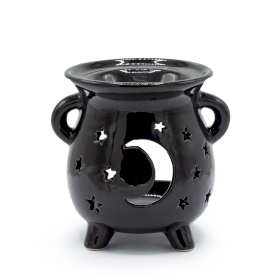
What Sells: Products for nesting and creating a secure environment (throws, candles, home scents) and thoughtful, early gifts.
Retail Strategy: Display themes must invoke warmth, texture, and ritual. Promote items that enhance the home atmosphere, comfort-focused goods, and products that make a perfect, stress-free gift. Focus on rich colours and materials that feel safe and luxurious.
The ultimate goal is to connect a product's function to your customer's current emotional state.
1. Tag Your Inventory: When stocking, categorise products not just by material, but by the emotion they solve (e.g., "Peace," "Fun," "Renewal").
2. Theme Your Messaging: In your social media and email campaigns, use emotional language. Instead of saying, "Buy this scented candle," say, "Create the cosy ritual you need this autumn."
3. Cross-Merchandise Strategically: Pair items that support the same feeling. For example, during the Renewal Season, place a Zodiac Journal next to a pen and a motivational mug to reinforce the theme of personal planning and focus.
By tapping into the predictable currents of your customers' year-round emotional needs, you can offer highly relevant products exactly when they are most motivated to buy.

Why Choose Us?
Discover AW
Showroom
Showroom
The AW Family
Personalise
Personalise
Ancient Wisdom s.r.o.,
CTPark Trnava, Prílohy 583/57, 919 26 Zavar, Slovakia
REG: 50920600
VAT: SK2120525440
EORI: SK2120525440